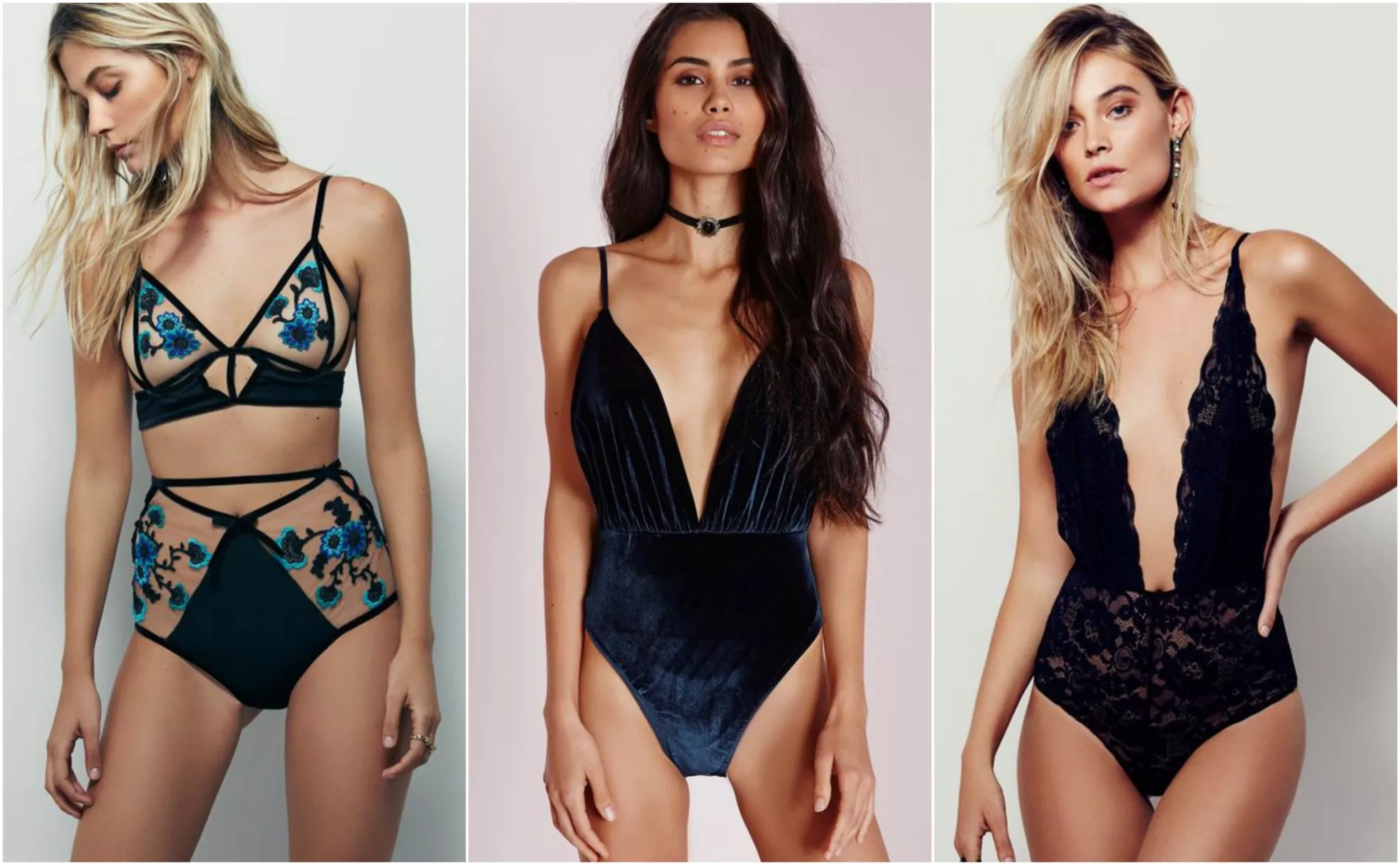
How Lingerie Trends Shape Modern Style
Lingerie trends have always reflected more than changing preferences in intimate clothing. They often reveal broader shifts in fashion, technology, culture, and attitudes toward personal appearance. What begins as a change in fabric, silhouette, or construction can gradually influence the way clothing is designed and worn beyond the private wardrobe. Looking at lingerie trends therefore offers an interesting way to understand modern fashion without reducing it to seasonal consumption. Different lingerie styles can express ideas about simplicity, structure, comfort, decoration, or individuality, while womens intimates continue to evolve alongside the expectations placed on everyday clothing.
One reason lingerie trends remain relevant is their close relationship with the changing silhouette of fashion. When outer garments become more relaxed, intimate clothing may also move toward softer construction and greater flexibility. When tailored shapes become popular, structured garments can return to attention. These relationships help explain why bra styles have changed repeatedly throughout fashion history. A lingerie guide can provide useful context by showing how proportions, materials, and construction techniques respond to the clothing worn over them. Rather than existing separately, underwear fashion often develops as part of the same visual conversation as dresses, shirts, jackets, and knitwear.
Materials have played an equally important role in the development of modern lingerie. Traditional fabrics such as cotton, silk, and linen have been joined by stretch fibers, technical textiles, lightweight meshes, and carefully engineered blends. These developments have changed the possibilities available to designers and wearers. Lingerie styles can now combine visual delicacy with practical qualities that were once difficult to achieve together. This has also expanded lingerie inspiration beyond elaborate decorative pieces. Minimal construction, smooth surfaces, breathable materials, and adaptable shapes have become important references for people interested in contemporary womens intimates and the relationship between appearance and comfort.
The influence of underwear fashion can also be seen in the gradual movement toward more visible elements of intimate clothing. Straps, camisoles, bralettes, bodysuits, and layered garments have appeared in different forms within everyday wardrobes. This does not necessarily mean that lingerie becomes outerwear in a literal sense. Instead, details traditionally associated with private garments can become part of a broader styling vocabulary. Modern feminine style often plays with this boundary through layering, transparency, proportion, and texture. Lingerie inspiration can therefore come from unexpected sources, including street fashion, historical clothing, editorial photography, and contemporary approaches to minimalism.
Changing ideas about comfort have also reshaped lingerie trends. For many years, structured garments were frequently associated with formal expectations of appearance, while softer designs were considered more casual. Today, those distinctions are less fixed. A person may choose different lingerie styles according to clothing, activity, mood, or personal preference rather than following a single definition of elegance. This shift has encouraged greater interest in flexible construction and individual choice. Womens intimates can be practical without appearing purely functional, while decorative garments can be appreciated without being treated as mandatory elements of feminine style.
Bra styles provide another clear example of this evolution. Differences in cup shape, support, coverage, straps, seams, and materials create a wide visual and functional vocabulary. Some designs emphasize a defined silhouette, while others prioritize a more natural appearance. Certain styles are strongly associated with particular historical periods, yet their ideas can return in updated forms decades later. A thoughtful lingerie guide can help place these recurring designs into context, making it easier to understand why particular shapes become popular again. The return of older aesthetics is rarely an exact repetition; contemporary underwear fashion usually combines historical references with modern construction and expectations.
Cultural influences have also contributed to the diversity of lingerie styles. Different regions have developed distinctive approaches to color, fabric, craftsmanship, proportion, and decoration, and international fashion has made these references increasingly visible. In Japan, for example, contemporary design can combine minimal visual language with careful attention to detail, while other fashion traditions may place greater emphasis on ornament or dramatic silhouettes. A lingerie journal can examine these differences without suggesting that one approach is superior. Lingerie inspiration becomes more interesting when it encourages comparison and curiosity rather than establishing a single universal standard.
Digital media has accelerated the circulation of lingerie trends as well. Images can move quickly between designers, photographers, fashion publications, social platforms, and independent creators. As a result, aesthetics that once developed gradually can gain international attention in a short period. At the same time, this rapid circulation can make trends appear more uniform than they actually are. Looking carefully at the history behind a visual idea helps distinguish a lasting design principle from a temporary online preference. This is one reason a lingerie journal can remain useful even when individual trends change quickly: context gives passing aesthetics a longer perspective.
The relationship between lingerie and outerwear is especially interesting because it demonstrates how fashion boundaries are constantly negotiated. A lace edge, a structured neckline, or a carefully chosen layer can influence an outfit without making the intimate garment itself the central focus. Styling can emphasize subtlety just as easily as visibility. Feminine style is therefore not defined by a particular level of exposure or decoration. It can be expressed through restrained details, carefully selected textures, or simply through the confidence that comes from choosing garments that feel appropriate to the individual.
Personalization has become another defining element of contemporary underwear fashion. Instead of relying on a single ideal, modern wardrobes often contain several types of garments suited to different circumstances. Some pieces may prioritize everyday comfort, others may work with specific silhouettes, and some may simply appeal because of their visual character. This variety reflects a broader movement in fashion toward individual wardrobes rather than rigid rules. Lingerie trends can provide ideas, but they do not determine what should be considered attractive or appropriate.
Ultimately, lingerie styles are most interesting when viewed as part of a larger fashion history. They respond to changes in materials, technology, social expectations, aesthetics, and everyday routines. A lingerie guide can help organize these developments, while lingerie inspiration can encourage readers to notice details they might otherwise overlook. Bra styles reveal how construction affects silhouette, while womens intimates show how private clothing can reflect wider cultural attitudes. Underwear fashion continues to change because fashion itself is never static.
For a modern reader, following lingerie trends does not have to mean chasing every new aesthetic. It can simply mean paying attention to how shapes, fabrics, colors, and construction evolve over time. A thoughtful lingerie journal provides space for that observation, allowing different lingerie styles to be considered without pressure or commercial expectations. Feminine style can remain personal and varied, while lingerie inspiration can come from history as easily as from contemporary design. In this sense, lingerie trends are not merely seasonal signals. They are small but revealing parts of the larger story of how people understand clothing, comfort, beauty, and self-expression.