Understanding Different Bra Styles
Bra styles are an important part of the wider world of lingerie styles, combining practical construction with visual design. Although bras are often discussed in relation to support and fit, their history also reflects changing ideas about clothing, proportion, and feminine style. Different shapes have appeared in response to changing outer garments, new materials, technological developments, and cultural preferences. Understanding these differences can make underwear fashion easier to appreciate because each design has its own structural logic rather than existing simply as a seasonal trend.
A useful lingerie guide begins with the basic idea that no single bra shape represents the entire category. Designs can differ in coverage, cup construction, strap placement, neckline, seams, fabric, and support. These characteristics affect both appearance and function. Some lingerie styles create a more defined silhouette, while others are designed to remain visually discreet beneath clothing. Exploring these distinctions can provide lingerie inspiration for readers who are interested in understanding why particular shapes look or feel different without treating any one design as universally preferable.
The evolution of bra styles is closely connected with the changing shape of fashionable clothing. As necklines, fabrics, and silhouettes have changed, bras have adapted accordingly. A garment designed for a high neckline may have very different proportions from one intended for a low-cut or open design. In this sense, womens intimates are part of a larger clothing system. The relationship between an outer garment and its underlying structure can influence how the final silhouette appears, which is why historical lingerie trends often develop alongside broader movements in fashion.
Construction is another important distinction. Some bras rely on carefully shaped cups and internal structures, while others use softer materials and fewer seams. Underwire, padding, elastic, molded fabrics, and adjustable straps can all change the character of a garment. These elements are not merely decorative. They influence how a bra maintains its shape and how it interacts with the body and surrounding clothing. A thoughtful lingerie journal can examine these details without turning the discussion into a set of rigid rules, allowing readers to understand the design principles behind familiar garments.
Coverage is one of the most visible differences between bra styles. Some designs provide broader coverage across the cup, while others use more open shapes that place greater emphasis on neckline and silhouette. Between these extremes are numerous variations developed for different clothing combinations and aesthetic preferences. Lingerie styles may therefore be distinguished by subtle changes in proportion rather than by completely different construction. For anyone exploring underwear fashion, noticing these small differences can make familiar garments much easier to compare.
The materials used in bras also influence their appearance. Smooth fabrics can create a clean and understated effect, while lace, mesh, embroidery, or textured textiles introduce additional visual interest. Contemporary lingerie trends frequently combine several materials within one garment, balancing transparency, elasticity, softness, and structure. This variety demonstrates why womens intimates can be considered a form of fashion design rather than simply functional clothing. Material choices can communicate delicacy, simplicity, modernity, or a connection with historical aesthetics.
Color has its own role in the language of bra styles. Neutral shades often emphasize versatility and can disappear beneath clothing, while stronger colors can make the garment more visually expressive. Pastel tones, deep shades, contrasting details, and traditional monochromatic combinations each create different impressions. Lingerie inspiration can come from these differences without requiring a particular preference. Feminine style is not limited to delicate colors or decorative details; it can also be expressed through minimalism, contrast, unusual combinations, or deliberately practical choices.
Historical references continue to influence modern lingerie styles. Designs associated with earlier decades may return through updated fabrics, revised proportions, or contemporary construction methods. A shape that once belonged to a specific period can be reinterpreted for present-day wardrobes without reproducing the original garment exactly. This recurring movement is one of the most interesting lingerie trends to observe because it demonstrates how fashion revisits its own history. A lingerie guide can place these revivals into context and show how older ideas acquire new meanings.
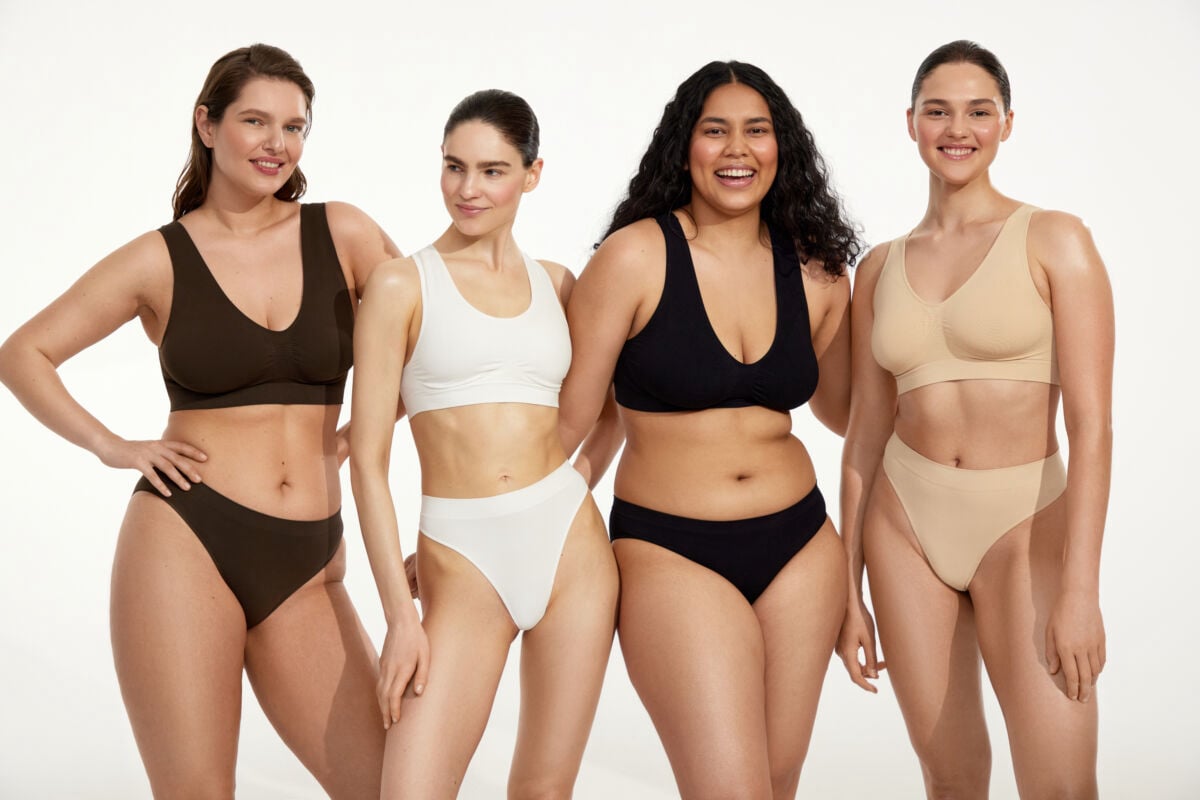
The rise of softer designs has also changed perceptions of underwear fashion. Traditional structured garments remain part of the fashion landscape, but flexible materials and simplified construction have expanded the range of available options. Some modern bras prioritize a barely noticeable sensation, while others retain stronger structural elements for a more defined appearance. These developments demonstrate that comfort and visual design do not necessarily have to exist in opposition. Womens intimates can be carefully constructed while still appearing relaxed, and lingerie styles can combine practical considerations with distinctive aesthetics.
Another useful way to understand bra styles is to consider their relationship with personal wardrobes. A garment that works well with one outfit may not be appropriate for another because necklines, fabrics, and silhouettes create different requirements. This does not make one style better than another. It simply demonstrates that lingerie functions within a larger system of clothing. Underwear fashion becomes more flexible when people understand these relationships rather than expecting one design to suit every situation.
Modern lingerie trends have also encouraged greater diversity in visual representation. Fashion imagery increasingly presents different approaches to femininity, allowing lingerie inspiration to extend beyond a single traditional aesthetic. Minimal designs, sporty influences, vintage references, romantic details, and architectural silhouettes can all exist within the same broader fashion conversation. A lingerie journal can document this variety while maintaining a neutral perspective and recognizing that individual preferences are shaped by culture, experience, clothing habits, and personal taste.
The terminology surrounding lingerie can sometimes make the subject seem more complicated than it really is. Terms describing cup shapes, construction, coverage, straps, and materials are useful because they provide a common language for discussing design. Learning this vocabulary is one of the practical benefits of a lingerie guide. Once the basic concepts are understood, it becomes easier to recognize why two garments that look similar at first glance may have very different construction. This knowledge can also make historical references and contemporary collections easier to interpret.
Bra styles should ultimately be understood as variations within a much larger field of design. Each construction reflects particular priorities, whether they involve shape, support, comfort, decoration, adaptability, or visual simplicity. Lingerie styles continue to change because these priorities change with fashion and everyday life. The continuing development of womens intimates shows that intimate clothing is responsive to the same cultural and technological forces that influence other parts of the wardrobe.
For readers interested in underwear fashion, studying different designs can be a way of understanding fashion history on a smaller scale. Lingerie inspiration does not need to come from the newest collection or the most visible trend. It can come from archival photographs, traditional craftsmanship, contemporary minimalism, or an unexpected combination of materials. Feminine style can be interpreted through many different visual languages, and no single bra shape has to define it.
A well-rounded lingerie journal therefore treats bra styles as subjects for observation rather than instructions for what anyone should wear. Lingerie trends can be examined, compared, and placed into historical context without assuming that popularity equals suitability. The variety of womens intimates is precisely what makes the subject interesting. By learning how construction, proportion, materials, and cultural influences interact, readers can develop a more informed understanding of underwear fashion while discovering new lingerie inspiration along the way.