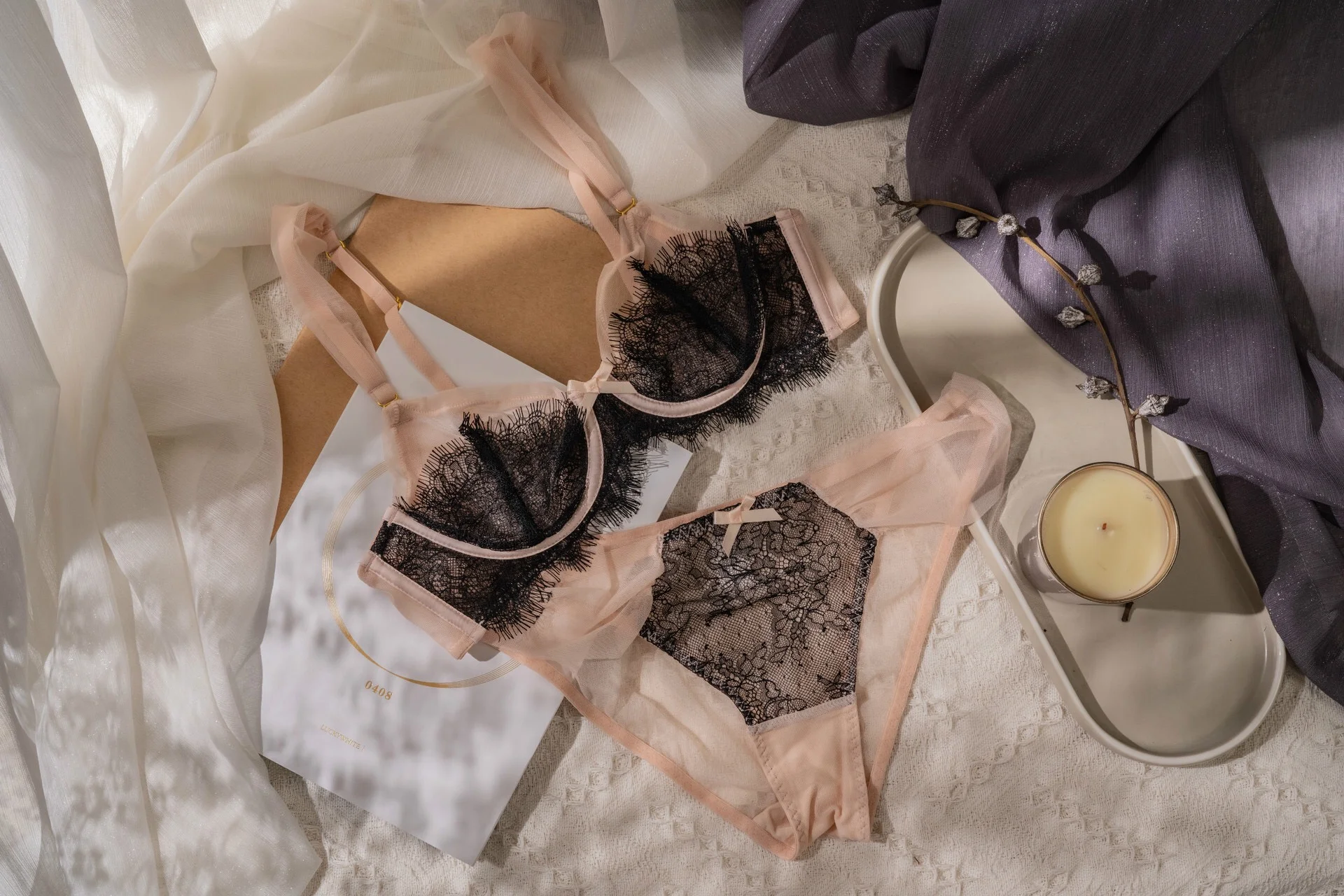
The Evolution of Underwear Fashion
Underwear fashion has changed dramatically over time, reflecting transformations in clothing, technology, social customs, and everyday life. What may appear to be a private category of clothing is closely connected with the wider history of fashion. Changes in silhouettes, fabrics, and construction have influenced the development of lingerie styles, while changing ideas about comfort and appearance have shaped what people expect from womens intimates. Looking at this evolution provides a useful way to understand how fashion responds to practical needs as well as cultural attitudes.
Early forms of underwear were often designed primarily around practicality. Garments worn beneath outer clothing could provide warmth, modesty, protection, or a smoother foundation for other layers. Their appearance was frequently less important than their function. Over time, however, advances in textile production allowed underwear to become more varied in shape and material. Cotton, linen, silk, and other fabrics were adapted for different purposes, while improved manufacturing techniques gradually made more complex designs possible. These developments created the foundations for the diverse underwear fashion seen today.
The relationship between underwear and outer clothing has always been particularly important. When fashionable silhouettes became wider or more structured, undergarments often changed to support those shapes. When clothing became lighter or more fitted, underwear had to adapt in response. This relationship continues in modern lingerie trends, where new garments are often developed with particular necklines, fabrics, and proportions in mind. The history of underwear therefore cannot be separated from the history of dresses, skirts, trousers, shirts, and other visible garments.
During the nineteenth and early twentieth centuries, structured undergarments became increasingly significant. Corsetry and other shaping garments were used to influence the silhouette of the body beneath fashionable clothing. These garments could be elaborate in construction, combining fabric, stitching, fastening systems, and structural elements. Their presence demonstrates how strongly ideals of fashionable proportion influenced intimate clothing. Later changes in social habits and clothing design gradually challenged some of these traditions, opening the way for more flexible approaches to lingerie styles.
The twentieth century brought particularly rapid changes. Industrial production made underwear more accessible, while new materials expanded the possibilities for design. Elastic fibers introduced greater flexibility, and improvements in manufacturing allowed garments to become lighter and more adaptable. The development of new bra styles also transformed the relationship between intimate clothing and the upper-body silhouette. Different decades favored different shapes, from highly structured designs to softer and more natural forms, demonstrating how quickly womens intimates could respond to changing fashion preferences.
Comfort became increasingly important as everyday clothing changed. As people adopted more active lifestyles and wardrobes became less formal, underwear also evolved toward greater freedom of movement. This did not eliminate decorative design. Instead, practical construction increasingly existed alongside lace, embroidery, color, texture, and other aesthetic elements. Modern underwear fashion often combines these qualities rather than treating comfort and appearance as opposites. A garment can be visually distinctive while still being designed around flexibility and everyday use.
The development of synthetic and blended fabrics further expanded the possibilities. Materials could be engineered for elasticity, smoothness, durability, breathability, or a particular visual effect. These innovations allowed designers to create garments that behaved differently from traditional textiles. Seamless construction, molded shapes, lightweight mesh, and stretch fabrics became part of the evolving vocabulary of womens intimates. Many contemporary lingerie trends would be difficult to imagine without these technological developments.
Cultural changes have also played a major role. As ideas about gender, individuality, and personal appearance developed, lingerie became less closely tied to a single definition of femininity. Different aesthetics could exist simultaneously, from minimalist designs and sporty influences to romantic details and vintage references. This wider range has made lingerie inspiration more diverse. Rather than following one dominant image, modern fashion can accommodate many interpretations of personal style, allowing intimate clothing to become more individual.
Media has contributed to this transformation as well. Fashion magazines, photography, film, television, and later digital platforms have changed the way lingerie is presented and discussed. Designs that were once rarely seen outside specialist contexts can now become widely recognized. At the same time, historical references can be rediscovered and reinterpreted. A lingerie journal can help place these visual developments into context, showing how contemporary aesthetics often contain traces of earlier periods.
The return of vintage influences is especially noticeable. Certain silhouettes, materials, and decorative details repeatedly reappear in new forms. Yet these revivals are rarely exact copies. Modern versions may use different fabrics, simplified construction, or updated proportions. This process illustrates an important characteristic of lingerie trends: fashion rarely moves in a straight line. Ideas disappear, return, change, and combine with new influences. Understanding this cycle makes it easier to see why familiar designs can suddenly feel contemporary again.
Bra styles provide a clear example of this continuing transformation. Their shapes have changed in response to both fashionable silhouettes and technological possibilities. Some periods emphasized stronger structure and defined contours, while others favored softness and reduced construction. Changes in straps, cup shapes, seams, padding, and materials all contributed to these shifts. Examining different bra styles can therefore reveal broader changes in attitudes toward the body and clothing.
A lingerie guide can be useful for understanding this history because terminology provides a way to describe differences between garments. Knowing how construction, coverage, fabric, and silhouette interact makes historical developments easier to follow. It also helps explain why certain designs were suited to particular periods or types of clothing. Rather than treating lingerie as a collection of isolated trends, historical context reveals a continuous process of adaptation.
Japan offers an interesting perspective within this broader history. Japanese fashion has developed distinctive approaches to proportion, material, craftsmanship, and visual restraint, while also engaging with international influences. Contemporary Japanese design can combine minimal forms with careful attention to detail, creating intimate garments that reflect both practical considerations and sophisticated aesthetics. Such approaches demonstrate how underwear fashion can absorb local traditions while participating in a global exchange of ideas.
The digital era has accelerated this exchange. Images and design references now travel across borders almost instantly, allowing trends and historical discoveries to influence different fashion communities at the same time. This has created more opportunities for lingerie inspiration, but it has also made the fashion landscape more complex. A single aesthetic may contain references from several decades and cultures, making it increasingly difficult to describe contemporary lingerie trends as belonging to one simple category.
Today, lingerie styles encompass a broad spectrum of construction and visual language. Soft everyday garments can exist alongside highly structured designs, while traditional materials can be combined with modern technical textiles. Underwear fashion is no longer defined by one dominant silhouette. Instead, it reflects a mixture of historical references, technological progress, changing lifestyles, and individual preferences. This diversity is one of the most significant characteristics of modern womens intimates.
The evolution of underwear also demonstrates how personal clothing can reflect wider cultural change. Garments worn beneath outer layers may not always be visible, yet their construction and meaning are influenced by the same forces that shape visible fashion. Lingerie trends can reveal changing expectations about comfort, while lingerie styles can demonstrate how ideas about femininity and self-expression have developed. Even small changes in fabric or silhouette can therefore be part of a much larger story.
For readers exploring this subject, the history of underwear offers an opportunity to look beyond seasonal fashion. A lingerie guide can introduce terminology, while lingerie inspiration can come from historical archives, craftsmanship, contemporary design, or cultural references. Feminine style does not depend on one particular silhouette, and the development of womens intimates shows how many different interpretations can emerge over time.
Ultimately, underwear fashion is a record of changing priorities. It has moved from garments focused largely on function toward a diverse field where comfort, technology, aesthetics, and individuality can coexist. The continuing evolution of lingerie styles reminds us that clothing is never completely static. Lingerie trends will continue to change as materials, lifestyles, and cultural ideas develop, while lingerie inspiration will continue to emerge from both the past and the present. Seen through this longer perspective, womens intimates become an important and revealing part of fashion history rather than simply a hidden layer beneath clothing.